How to Grow Phoenix Oyster Mushrooms
How to grow phoenix oyster mushrooms (Pleurotus pulmonarius), also sold as Italian or lung oyster, day by day: growing conditions and harvest.
Phoenix, Italian, Indian and lung oyster are one species, Pleurotus pulmonarius (family Pleurotaceae). Some phoenix spawn is still labeled Pleurotus sajor-caju, a name that properly belongs to another mushroom. It is a species of its own, not a strain of pearl oyster: Out-Grow notes the two can't cross. In the wild it fruits in warmer weather than pearl, and its caps are often paler. This page follows it on a farm's clock, from the culture to the second harvest, on blocks in bags. What all oysters share is in the oyster mushroom guide.
Phoenix oyster at a glance
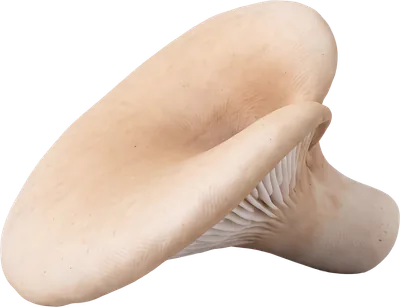
Fruiting
- Temperature
- 64 to 75 °F (18 to 24 °C)
- Humidity
- 85 to 95% relative humidity
- Fresh air
- CO2 under 800 ppm
- Light
- 12 hours a day
Incubation
- Temperature
- 70 to 79 °F (21 to 26 °C)
- Spawn rate
- 2 to 5% of the wet substrate's weight
Harvests
- Flushes worth picking
- 2 to 3
Practice
- Substrate
- Hardwood sawdust or pellets supplemented with wheat bran, sterilized in filter bags. Pasteurized wheat straw also works
- Opening the bag
- Small slice or X on the side of the bag
- Harvest when
- When caps begin to unroll around the margins
- To start fruiting
- drop 5-10c for 3-5 days
Fruiting temperature, humidity, fresh air, light, incubation temperature, flushes worth picking, opening the bag, harvest when and to start fruiting are the cultivation team's own. The rest come from the published sources listed under Sources.
How long phoenix oyster mushrooms take to grow
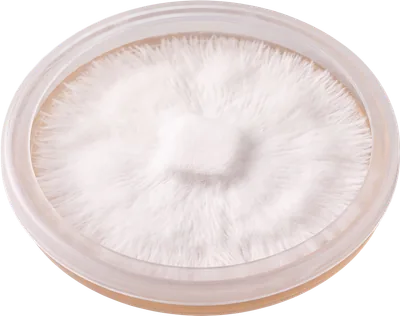
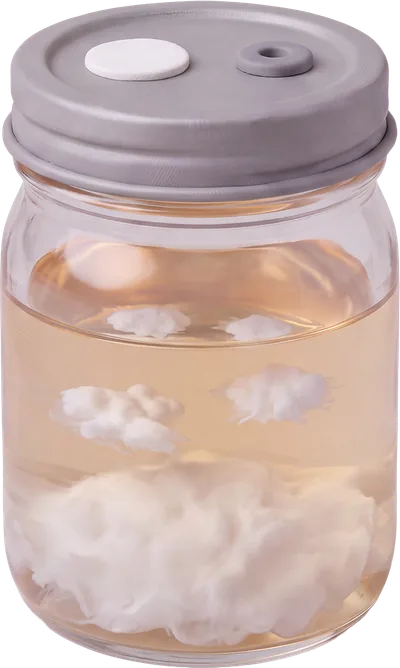
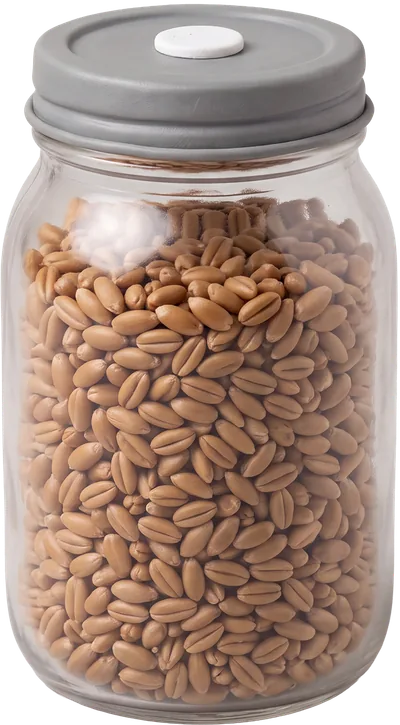
A phoenix oyster block gives its first harvest on about day 22 after it is inoculated and its second on about day 32. Before that, the grain spawn takes about 20 days, and before the grain a new culture takes about 14 days, on agar or in liquid culture: about 56 days from a new culture to the first harvest. A farm with a culture on hand starts at the grain spawn, and one that buys its grain spawn starts at Day 0. Published guides disagree on how long each stage takes; these are the days MycoQR's cultivation team set.
about 34 days before
Agar or liquid culture
inoculated
then about 14 daysabout 20 days before
Grain spawn inoculated
from the culture
then about 20 daysDay 0
Block inoculated
with the colonized grain
then about 12 daysabout Day 12
Colonized
open the bag to fruit
then about 10 daysabout Day 22
First harvest
then about 10 daysabout Day 32
Second harvest
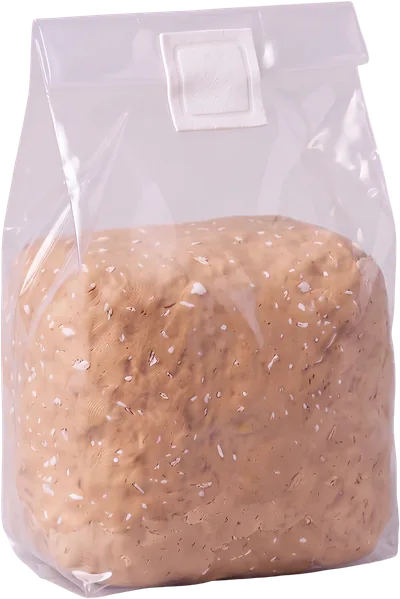
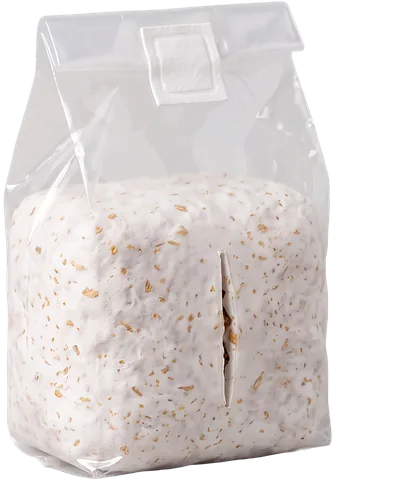
A colonized block can wait up to about 30 days at room temperature, or about 60 in cold storage, before you open it.
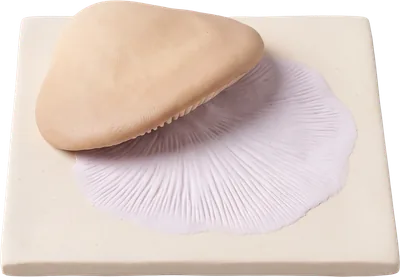
The strip starts from a culture. From a spore print, spores germinate on agar first and one strain is picked out before the culture step. Each spore start is new genetics, while a tissue culture keeps its parent's.
A farm's own blocks run faster or slower with its strain and its rooms. In MycoQR, a farm's phoenix oyster strain starts on the calendar's days, and the strain's own stage times and harvests take over once there are enough of them.
Every mushroom's days, side by side: which mushrooms to grow.
Phoenix oyster substrate and spawn
Substrate: Hardwood sawdust or pellets supplemented with wheat bran, sterilized in filter bags. Pasteurized wheat straw also works.
Spawn rate: 2 to 5% of the wet substrate's weight, in sterilized bags.
On pasteurized straw, NCAT's guide spawns heavier: 5 to 10% of the wet straw's weight. How each substrate is prepared is in substrate methods in the oyster mushroom guide and Mycology 103: substrate science and spawn production.
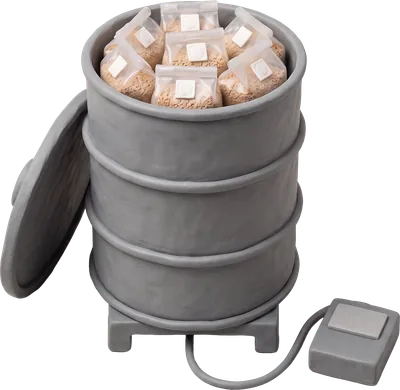
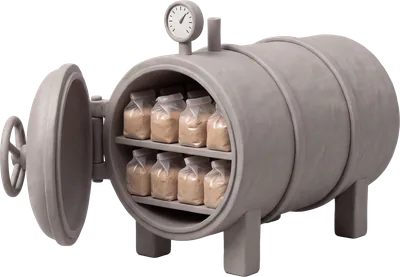
Colonizing
Keep blocks at 70 to 79 °F (21 to 26 °C) while they colonize.
On the calendar above, a block colonizes in about 12 days. A colonized block can wait up to about 30 days at room temperature, or about 60 days in cold storage, before you open it. Light alone can start it pinning in the bag: Field & Forest ships its Italian oyster blocks in black bags to prevent it.
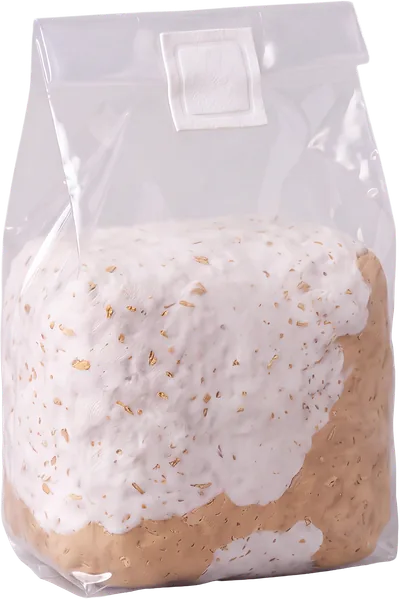
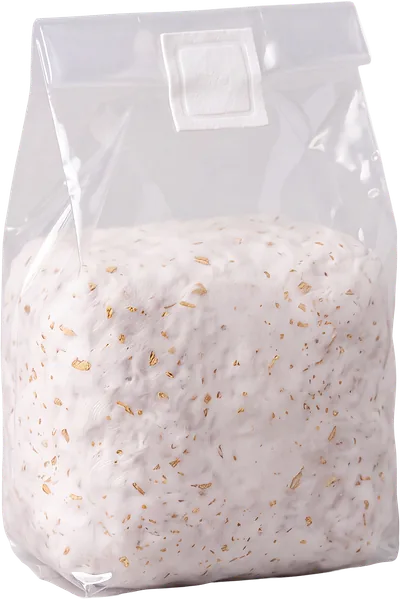
Fruiting phoenix oyster mushrooms: growing conditions
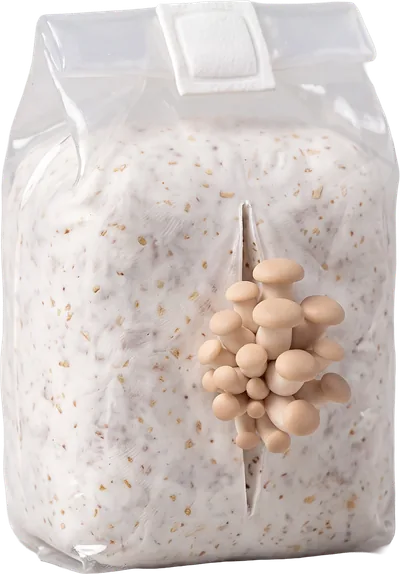
Opening the grow bag: Small slice or X on the side of the bag
To start fruiting, drop 5-10c for 3-5 days.
| Fruiting | Phoenix oyster |
|---|---|
| Temperature | 64 to 75 °F (18 to 24 °C) |
| Humidity | 85 to 95% relative humidity |
| Fresh air | CO2 under 800 ppm |
| Light | 12 hours a day |
Warm room or cool. Strains differ more than names do. Mushroom Mountain and GroCycle sell a warm-weather phoenix (Mushroom Mountain, GroCycle), and Zombie Mushrooms says it is "often the dominant Pleurotus species in subtropical climates" (Zombie Mushrooms). North Spore calls its Italian oysters "generally cold tolerant" outdoors (North Spore), and Out-Grow's phoenix fruits at 55 to 75 °F (13 to 24 °C) (Out-Grow). No single range fits every seller: Field & Forest's Italian block tops out at 72 °F (22 °C) (Field & Forest), while Mushroom Mountain's phoenix starts at 75 °F (24 °C) (Mushroom Mountain). The name on the bag is a hint, not a rule: ask the seller for the strain's range. The table's range is the one North Spore (Italian) and Zombie Mushrooms (phoenix) both print, and it sits inside the ranges GroCycle and Out-Grow's growing guide give. North Spore keeps the humidity at 95 to 100% while pins form, then the table's range.
The cold shock. Most sellers say it needs none, only the move to a slightly cooler room; Out-Grow writes that "a dedicated cold shock is not required for Pleurotus pulmonarius" (Out-Grow).
Each condition is explained in Mycology 104: environmental control and fruiting, and fruiting chamber designs shows ways to hold them.
When to harvest phoenix oyster mushrooms
Harvest when When caps begin to unroll around the margins.
Guides differ on the moment: GroCycle picks while "the edges of their caps are still curled under but becoming thin and wavy", while Out-Grow's growing guide waits until caps are "broad and mostly flat with edges just beginning to turn upward slightly" (GroCycle, Out-Grow). Why the cue matters is in when to harvest oyster mushrooms.
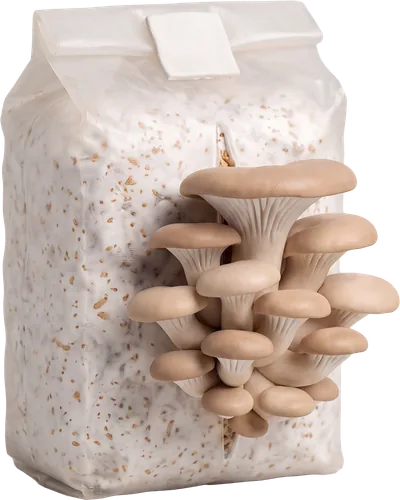
Ready to harvest
- The cap edges are still turned under.
- Take the whole cluster at its base.
After the harvest
On the calendar above, the next flush is ready about 10 days after a harvest. A block gives 2 to 3 flushes worth picking. Resting and soaking a block is in flushes and resting a block.
A fresh harvest keeps about 5 days. Out-Grow stores it at 32 to 39 °F (0 to 4 °C) in a paper bag or an open container, and North Spore picks it slightly young to keep it longer.
In MycoQR, a new yield tray (the harvests you combine to sell) suggests a best-by date about 5 days out, and the Fresh Sheet marks a tray that is past it: mushroom farm inventory and invoicing.
Storing cultures and spawn
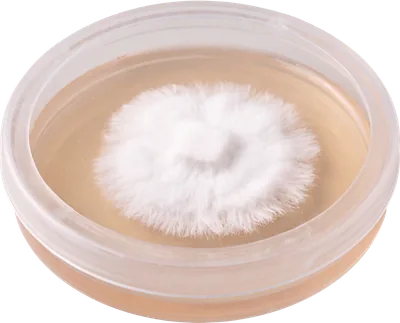
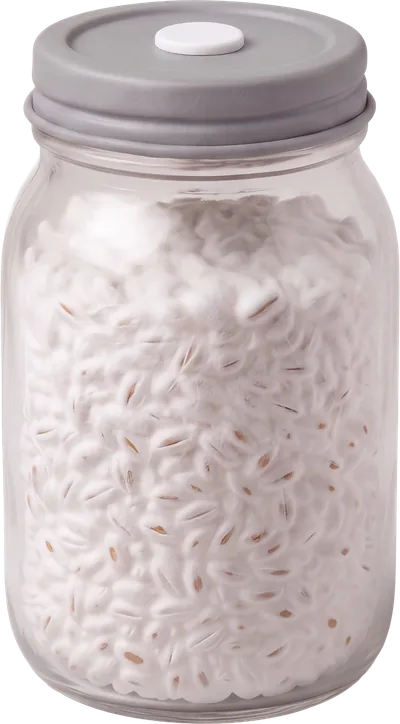
On the cultivation team's answers, cold storage extends the life of phoenix oyster plates, liquid culture, grain spawn and colonized blocks, and does nothing for spores. The days below are the team's. Storing cultures is in Mycology 102: sterile technique and culture work.
| Finished | Room temperature | Cold storage |
|---|---|---|
| Agar plates | about 30 days | about 90 days |
| Liquid culture | about 60 days | about 120 days |
| Grain spawn | about 30 days | about 60 days |
| Colonized blocks | about 30 days | about 60 days |
What goes wrong
Long stems, small caps. Too much CO2. Out-Grow calls it the most common fruiting complaint with this species; give the room more fresh air.
Pins that dry and stop. The humidity dropped: Out-Grow puts the line at 80%.
Pins inside the bag. Light reached a waiting block (above), or it waited too long. Open the bag where they formed.
Dark spots on the caps. North Spore notes its Italian oyster is more prone to blotch in a warm room.
Green mold. Out-Grow names Trichoderma the main contamination threat, and keeps wheat bran under 20% of the mix to lower the risk.
Spores in the room. NCAT notes that oysters "can release high volumes of spores during fruiting, which may cause respiratory irritation in enclosed or poorly ventilated indoor environments," and that "Proper ventilation or use of a respirator is recommended for indoor growers producing at scale" (NCAT). More is in spores in the grow room.
Common Fruiting Problems shows each of these, and the contamination guide covers molds and bacteria.
Questions
Is phoenix oyster the same as Italian oyster?
Yes. Both names are sold for Pleurotus pulmonarius, as are Indian and lung oyster. Strains sold under them fruit at different temperatures, so ask the seller which one you are buying.
Is phoenix oyster the same as pearl oyster?
No. Pearl is Pleurotus ostreatus, another species, and Out-Grow notes the two can't cross. Phoenix fruits in warmer weather in the wild, and its caps are often paler. The cultivation team's days for both are side by side in types of oyster mushrooms compared.
How long do phoenix oyster mushrooms take to grow?
It takes about 56 days from a new culture to the first harvest, or about 42 days from the grain spawn, on the days MycoQR's cultivation team set. Counted from the day the block is inoculated, the first harvest comes on about day 22.
Is phoenix oyster easy to grow?
Easy for beginnerSources
Read in November 2026. The days in the grow calendar and the storage table, and any card fact marked as the team's, are MycoQR's cultivation team's.
- NCAT: Mushroom Cultivation
- Lechner and Albertó 2011, new wild Pleurotus strains for yield: Revista Iberoamericana de Micología
- Wu et al. 2019, farm residues as substrates for P. pulmonarius: AMB Express
- Yan et al. 2020, temperature and the growth of P. pulmonarius (abstract): Journal of Zhejiang University (Agriculture and Life Sciences)
- North Spore, spawn: Organic Italian oyster grain spawn
- North Spore, booklet: fruiting block instructions
- Field & Forest, blocks: How to grow oysters from ready-to-fruit blocks
- Field & Forest, block: Italian oyster 8-block set
- GroCycle: Phoenix oyster mushroom
- Out-Grow: How to grow phoenix oyster mushroom (Pleurotus pulmonarius)
- Out-Grow, species: Phoenix oyster (Pleurotus pulmonarius)
- Zombie Mushrooms: Phoenix oyster mushroom (Pleurotus pulmonarius)
- Mushroom Mountain: Phoenix oyster (Pleurotus pulmonarius)
- Mushroom Appreciation: Phoenix oyster mushrooms
Related guides
How to Grow Oyster Mushrooms
How to grow oyster mushrooms: seven types compared day by day, straw or sawdust, fruiting conditions, when to harvest, and what goes wrong.
How to Grow Pink Oyster Mushrooms
How to grow pink oyster mushrooms (Pleurotus djamor) day by day: a warm oyster to keep out of the cold, its growing conditions and harvest.
Common Fruiting Problems and How to Fix Them
Diagnose and fix the most common fruiting problems: no pins, aborting pins, long stems, fuzzy feet, overlay, cracked caps and bacterial blotch.