Which Mushrooms to Grow: How Long Each Takes, Compared
The easiest mushrooms to grow and how long each takes, side by side: days from inoculation to first harvest, the next flush, cold storage and shelf life.
This page lines up every mushroom MycoQR's cultivation team has set days for, on the team's own day counts: how long each takes from a new block to its first harvest, when the next flush comes, how long a colonized block can wait, and how long the harvest keeps. The team confirmed these day counts on November 12, 2026. A farm's own blocks run faster or slower with its strain, its substrate and its rooms.
How long do mushrooms take to grow?
On the cultivation team's days, a block's first harvest comes from about 19 days after it is inoculated (blue oyster) to about 85 (turkey tail), after about 10 to 40 days of grain spawn. Each line below starts on the day the block is inoculated and ends at its first harvest, soonest first.
 Blue oysterColonized about day 12, first harvest about day 19.
 Pearl oysterColonized about day 12, first harvest about day 19.
 Phoenix oysterColonized about day 12, first harvest about day 22.
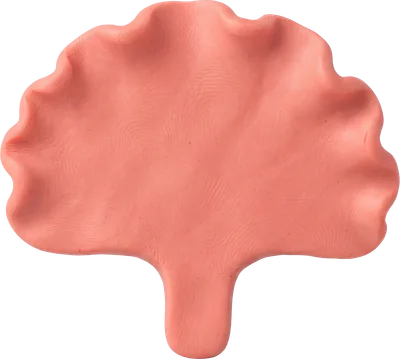 Pink oysterColonized about day 12, first harvest about day 22.
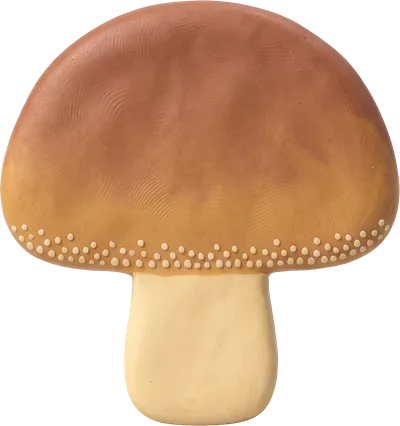 ChestnutColonized about day 20, first harvest about day 27.
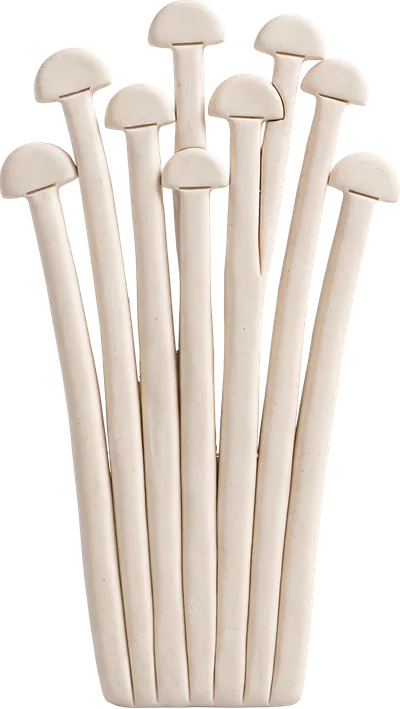 EnokiColonized about day 15, first harvest about day 27.
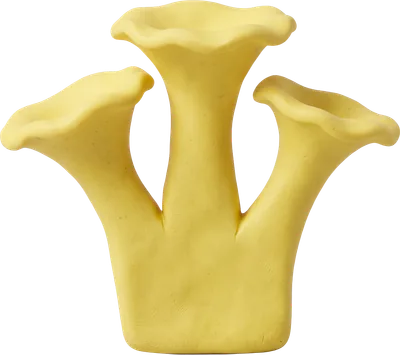 Golden oysterColonized about day 14, first harvest about day 28.
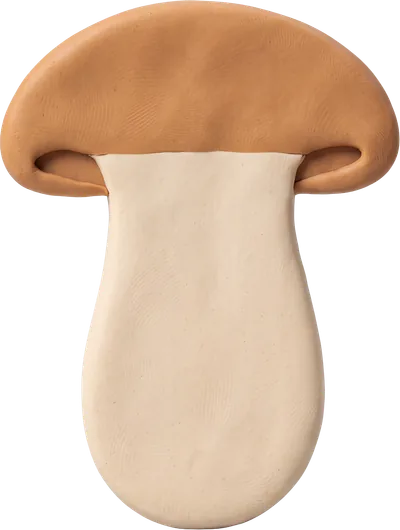 King oysterColonized about day 14, first harvest about day 28.
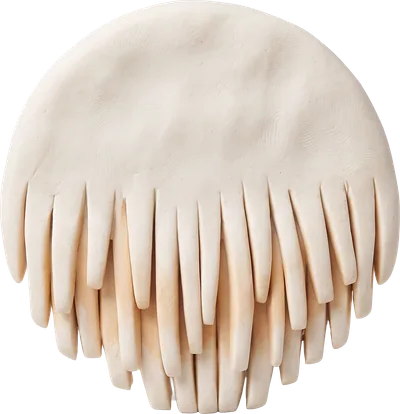 Lion's maneColonized about day 14, first harvest about day 28.
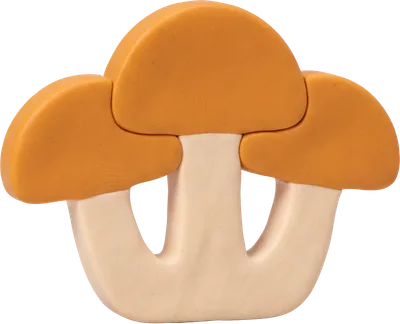 NamekoColonized about day 14, first harvest about day 28.
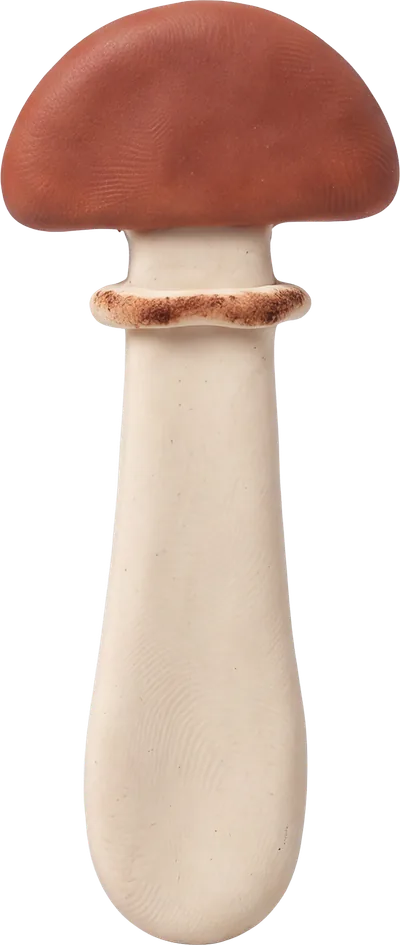 PioppinoColonized about day 20, first harvest about day 40.
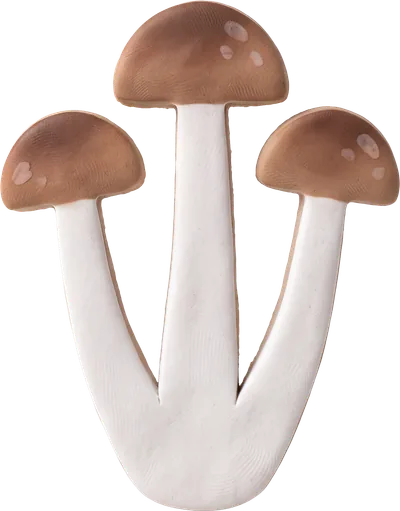 ShimejiColonized about day 30, first harvest about day 50.
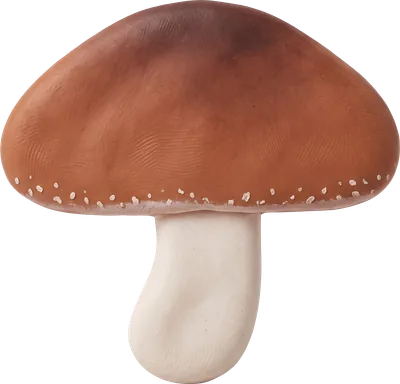 ShiitakeColonized about day 50, first harvest about day 58.
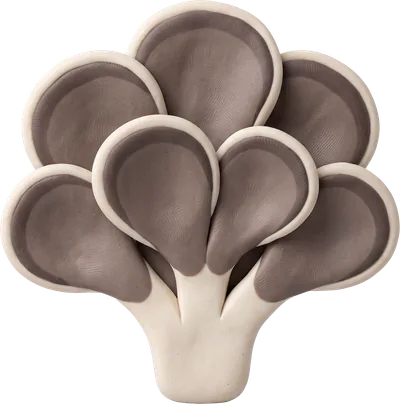 MaitakeColonized about day 30, first harvest about day 75.
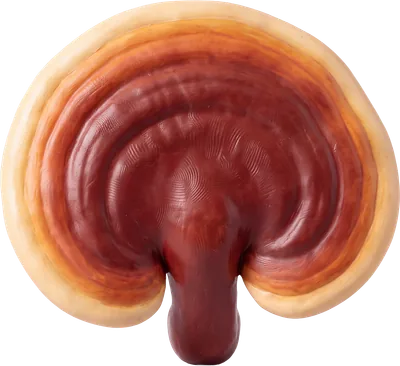 ReishiColonized about day 20, first harvest about day 80.
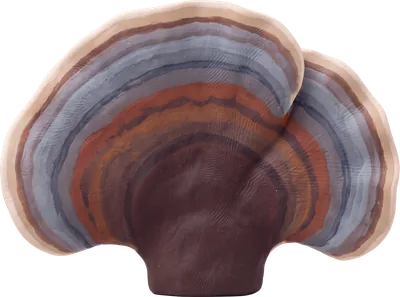 Turkey tailColonized about day 20, first harvest about day 85.
Every mushroom's growing timeline, compared
| Mushroom | Grain, days | Colonized, day | First harvest, day | Second harvest, day | Block waits, days (room / cold) | Harvest keeps, days |
|---|---|---|---|---|---|---|
| Blue oyster | about 12 | about 12 | about 19 | about 33 | about 25 / about 90 | about 5 |
| Pearl oyster | about 12 | about 12 | about 19 | about 33 | about 30 / about 60 | about 5 |
| Phoenix oyster | about 20 | about 12 | about 22 | about 32 | about 30 / about 60 | about 5 |
| Pink oyster | about 10 | about 12 | about 22 | about 36 | about 30 / none | about 3 |
| Chestnut | about 20 | about 20 | about 27 | about 41 | about 30 / about 60 | about 5 |
| Enoki | about 18 | about 15 | about 27 | about 41 | about 30 / about 90 | about 5 |
| Golden oyster | about 14 | about 14 | about 28 | about 42 | about 30 / about 60 | about 3 |
| King oyster | about 14 | about 14 | about 28 | about 42 | about 30 / about 60 | about 7 |
| Lion's mane | about 18 | about 14 | about 28 | about 44 | about 30 / about 60 | about 7 |
| Nameko | about 22 | about 14 | about 28 | about 49 | about 30 / about 60 | about 5 |
| Pioppino | about 28 | about 20 | about 40 | about 54 | about 30 / about 60 | about 7 |
| Shimeji | about 40 | about 30 | about 50 | about 71 | about 30 / about 90 | about 7 |
| Shiitake | about 20 | about 50 | about 58 | about 79 | about 30 / about 90 | about 7 |
| Maitake | about 20 | about 30 | about 75 | about 105 | about 30 / about 90 | about 5 |
| ReishiDried, not cooked fresh | about 20 | about 20 | about 80 | about 200 | about 60 / about 90 | about 14 |
| Turkey tailDried, not cooked fresh | about 21 | about 20 | about 85 | about 130 | about 30 / about 90 | about 14 |
ReishiDried, not cooked freshTurkey tailDried, not cooked freshEvery day counts from the day the block is inoculated, and the rows are ordered by the first harvest. A linked name goes to its guide, or to its part of the oyster mushroom guide; names without a link have no guide yet. Where a block's wait in the cold says "none", the cultivation team's answer is that cold storage harms the colonized block. A block waiting at room temperature may start to pin in its bag; the cold slows that for most mushrooms, but enoki pins in the cold, so check a cold-stored enoki block.
Golden oyster has escaped cultivation in North America; read golden oyster mushrooms before you grow it.
In MycoQR, a farm's strain starts on its mushroom's days from this table, and the dashboard lists any block past its window. Once the strain has enough stage times of its own, those take over: mushroom grow stage tracking.
The easiest mushrooms to grow
Of the guides here so far, the oysters are rated an easy first grow, and so is reishi grown as antlers in a closed bag; fastest isn't always easiest. Where a mushroom's guide gives a first-grow line, drawn from the published growing guides it lists, it is here, in the table's order:
- Blue oyster: Oyster mushroom is the most forgiving Mushroom to grow. Very beginner friendly.
- Phoenix oyster: Easy for beginner
- Pink oyster: Easy for beginners
- Chestnut: Chestnut is a fun simple fungi for beginners, although it does take longer than some strains to fruit.
- Enoki: Typically top fruited in high co2 environments however can be top or side fruited with a small slice or an x
- King oyster: Begginer to intermediate friendly.Alonger fruiting variety. King oyster is forgiving in its harvest timing, it is both slow to fruit & minimal in spores.
- Lion's mane: Lions mane is a slower growing strain, however is a rewarding beginners mushroom
- Nameko: Not a good first grow: it needs a cool, very humid room to pin, and young pins can die if the surface dries. Oysters are easier.
- Pioppino: Intermediate friendly, long strain to grow
- Shimeji: Not a first grow: its block needs weeks of ripening after it turns white, and it wants a cool, very humid room. Start with oysters.
- Shiitake: shitake are an intermediate fungi
- Maitake: Maitake is not a begginer fungi. it can be complex and time consuming.
- Reishi: Reishi is a Slow strain, patience is required. Intermediate fungi.
- Turkey tail: Intermediate strain, long growing.
The rest get a line when their guide is written. New to growing? Start with Mycology 101: a beginner's guide to mushroom cultivation.
What makes a mushroom profitable to grow
The most profitable mushroom to grow depends mostly on price and yield: prices change by town, season and buyer, and yields with each farm's strain, substrate and rooms, so this page prints neither. The table gives the parts that don't:
- How soon the first harvest comes. The days between colonized and the first harvest are days a block holds a fruiting shelf before it gives anything.
- When the next flush comes. The table's second harvest shows when a block can give again; a second flush is usually smaller, and not every block gives one.
- How long the harvest keeps. A fresh harvest that keeps longer has more days to sell.
Grown differently
Reishi and turkey tail are tough, woody brackets, grown to be dried rather than cooked fresh, so their keeping days don't compare with the others'.
Wine cap is usually grown outdoors, in beds of wood chips or straw, and cordyceps (Cordyceps militaris) on brown rice in jars. Neither is in the table: the team hasn't set wine cap's days yet, and a jar's days don't fit a block's, so cordyceps has its own guide: how to grow cordyceps in jars.
Questions
What is the easiest mushroom to grow?
An oyster: of the guides here so far, the oysters are rated an easy first grow, and so is reishi grown as antlers. The fastest is blue oyster and pearl oyster, with the first harvest about 19 days after the block is inoculated.
Which mushroom is fastest to grow?
Blue oyster and pearl oyster, with the first harvest about 19 days after the block is inoculated, on the cultivation team's days.
Which mushroom takes longest?
Turkey tail, with the first harvest about 85 days after the block is inoculated.
Which mushroom keeps longest after harvest?
Reishi and turkey tail, about 14 days, but both are dried rather than cooked fresh. Of the mushrooms cooked fresh, king oyster, lion's mane, pioppino, shimeji and shiitake keep longest, about 7 days, on the cultivation team's days.
Which mushroom blocks can't go in cold storage?
Pink oyster: the cultivation team says cold storage harms its colonized blocks.
Sources
Every day count on this page is MycoQR's cultivation team's. The first-grow lines come from each guide's published sources, listed on its page, and golden oyster's escape from the sources on its guide.
Related guides
How to Grow Oyster Mushrooms
How to grow oyster mushrooms: seven types compared day by day, straw or sawdust, fruiting conditions, when to harvest, and what goes wrong.
How to Grow Lion's Mane Mushrooms
How to grow lion's mane mushrooms day by day: how long each stage takes, substrate and spawn rate, growing conditions and when to harvest.
Mycology 101: A Beginner's Guide to Mushroom Cultivation
Mycology for beginners: how mushrooms grow, clean technique, and each step from agar and grain spawn to fruiting and harvest, plus common mistakes.