How to Grow Pioppino Mushrooms
How to grow pioppino mushrooms day by day: Cyclocybe aegerita (black poplar), not shimeji or chestnut, its substrate, conditions and harvest.
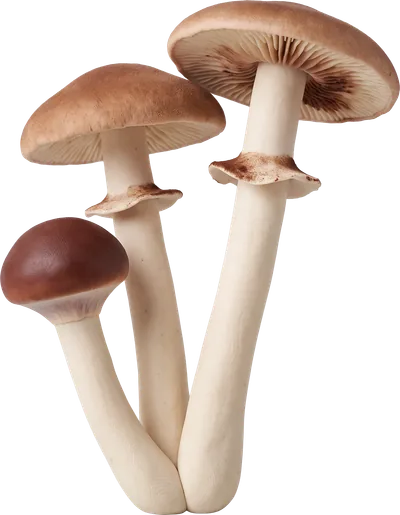
Pioppino, also called the black poplar mushroom, is Cyclocybe aegerita: brown caps on long, crisp, pale stems, often with a ring where the veil tore, growing in clusters on hardwood. It was Agrocybe aegerita until DNA placed it apart from the type species of Agrocybe, so in 2014 it moved to the revived genus Cyclocybe. It isn't the chestnut mushroom, Pholiota adiposa, which has a page of its own, or shimeji, the beech mushroom, which is Hypsizygus. This page follows it on a farm's clock, from the culture to the second harvest, on blocks in bags.
Pioppino at a glance
Fruiting
- Temperature
- 54 to 64 °F (12 to 18 °C)
- Humidity
- 90 to 95% relative humidity
- Fresh air
- CO2 under 2,000 ppm
- Light
- 12 hours a day
Incubation
- Temperature
- 70 to 79 °F (21 to 26 °C)
- Spawn rate
- 2 to 5% of the wet substrate's weight
Harvests
- Flushes worth picking
- 1 to 2
Practice
- Substrate
- Works well on masters mix
- Opening the bag
- An X or small split in the bag. Most often side fruited
- Harvest when
- when caps are open and begin to roll around the margin
- To start fruiting
- drop tem 5-10c
Fruiting temperature, humidity, fresh air, light, incubation temperature, flushes worth picking, substrate, opening the bag, harvest when and to start fruiting are the cultivation team's own. The rest come from the published sources listed under Sources.
How long pioppino mushrooms take to grow
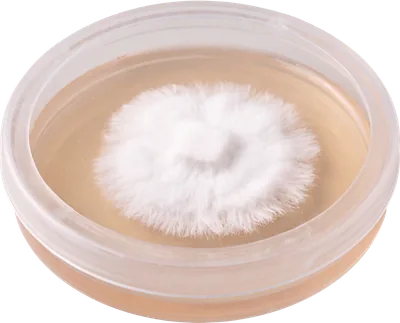
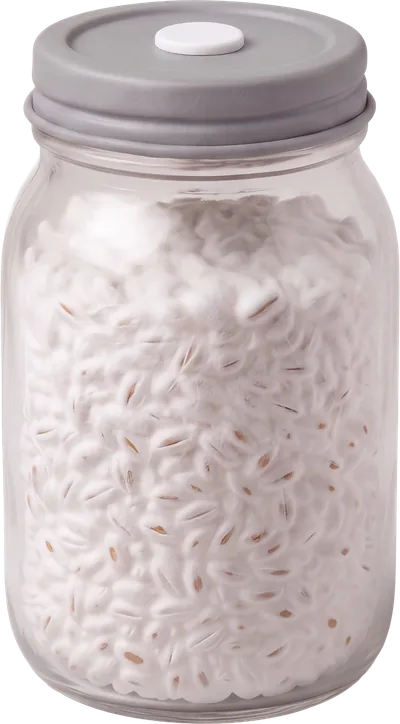
A pioppino block gives its first harvest on about day 40 after it is inoculated and its second, on a block that gives one, on about day 54. Before that, the grain spawn takes about 28 days, and before the grain a new culture takes about 14 days, on agar or in liquid culture: about 82 days from a new culture to the first harvest. A farm with a culture on hand starts at the grain spawn, and one that buys its grain spawn starts at Day 0. Published guides disagree on how long each stage takes; these are the days MycoQR's cultivation team set.
about 42 days before
Agar or liquid culture
inoculated
then about 14 daysabout 28 days before
Grain spawn inoculated
from the culture
then about 28 daysDay 0
Block inoculated
with the colonized grain
then about 20 daysabout Day 20
Colonized
open the bag to fruit
then about 20 daysabout Day 40
First harvest
then about 14 daysabout Day 54
Second harvest
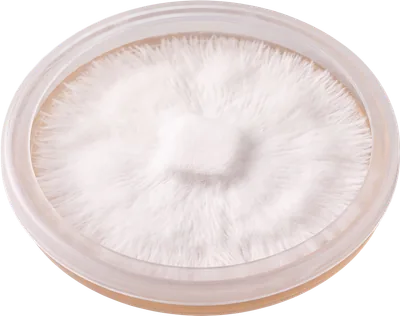
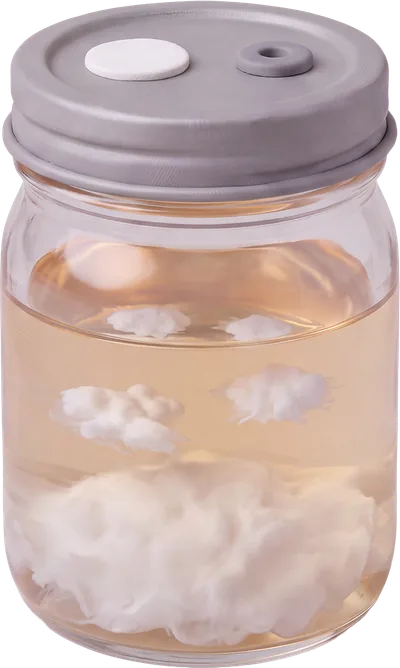
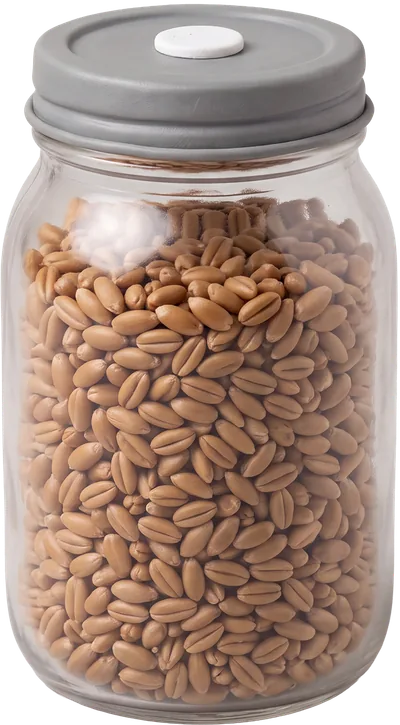
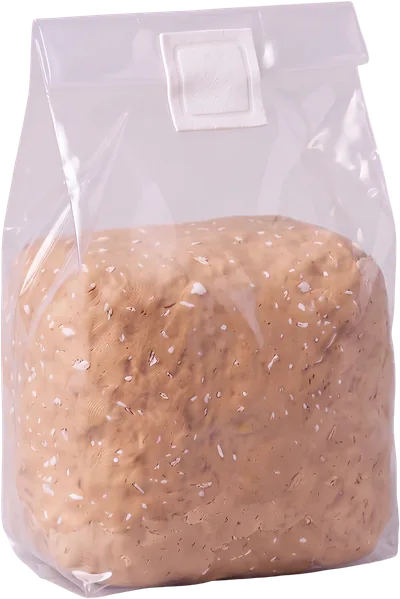
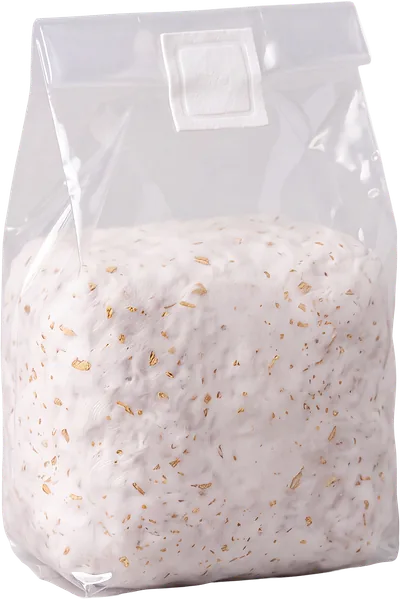
A colonized block can wait up to about 30 days at room temperature, or about 60 in cold storage, before you open it.
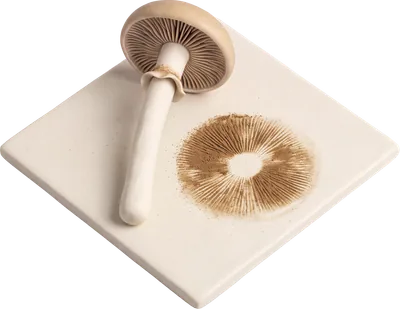
The strip starts from a culture. From a spore print, spores germinate on agar first and one strain is picked out before the culture step. Each spore start is new genetics, while a tissue culture keeps its parent's.
A farm's own blocks run faster or slower with its strain and its rooms. In MycoQR, a farm's pioppino strain starts on the calendar's days, and the strain's own stage times and harvests take over once there are enough of them.
Every mushroom's days, side by side: which mushrooms to grow.
Pioppino substrate and spawn
Substrate: Works well on masters mix.
Spawn rate: 2 to 5% of the wet substrate's weight.
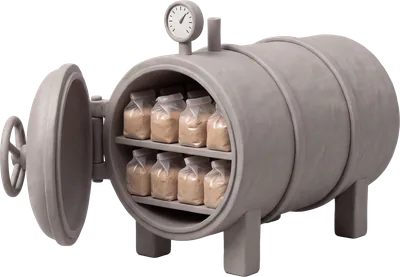
Supplemented sawdust is sterilized, not pasteurized: a supplement such as bran feeds the mushroom but also raises the risk of contamination. Making and sterilizing blocks is in Mycology 103: substrate science and spawn production.
Colonizing
Keep blocks at 70 to 79 °F (21 to 26 °C) while they colonize.
On the calendar above, a block colonizes in about 20 days. Pioppino's mycelium is fine, so finished spawn and blocks may not look thick and white. A waiting block may pin in the bag first. Field & Forest says pins that start in transit abort "more often than not" and recommends scraping them off before opening (Field & Forest).
Fruiting pioppino mushrooms: growing conditions
Opening the grow bag: An X or small split in the bag. Most often side fruited
To start fruiting, drop tem 5-10c.
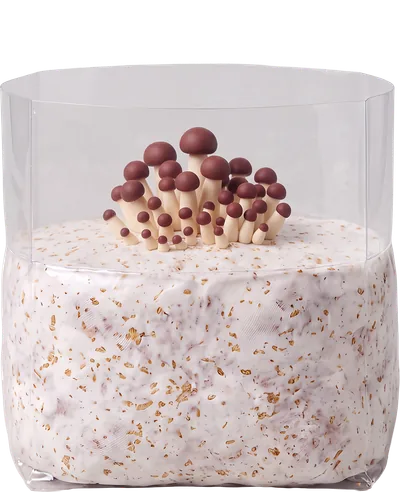
| Fruiting | Pioppino |
|---|---|
| Temperature | 54 to 64 °F (12 to 18 °C) |
| Humidity | 90 to 95% relative humidity |
| Fresh air | CO2 under 2,000 ppm |
| Light | 12 hours a day |
North Spore keeps the air wetter while pins form, 95 to 100%, then eases back to 85 to 95%: young pioppino pins dry out easily.
A cooler room. Sources start fruiting by moving the colonized block to a humid, lit room, usually a cooler one, and differ on how much cooler. Three studies dropped from about 77 °F (25 °C) to 59 to 70 °F (15 to 21 °C); one also pinned at 77 °F, with no drop (Jasińska et al. 2014, Rezaeian et al. 2022, Heo et al. 2019). None of the sources below chills it in a fridge.
Each condition is explained in Mycology 104: environmental control and fruiting, and fruiting chamber designs shows ways to hold them.
When to harvest pioppino mushrooms
Harvest when when caps are open and begin to roll around the margin.
Twist and pull the cluster off the block at once. The torn veil stays on the stem as its ring.
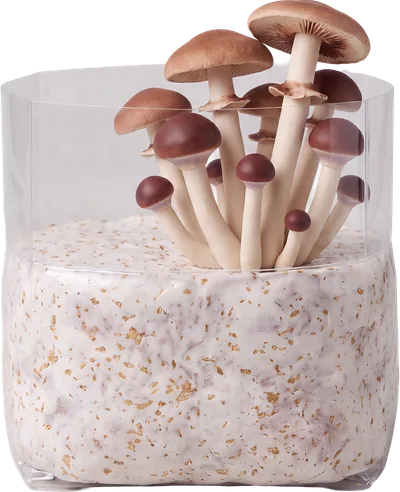
Ready to pick
- Veils breaking: pick the cluster now.
- Take the whole cluster at its base.
After the harvest
On the calendar above, the next flush is ready about 14 days after a harvest. A block gives 1 to 2 flushes worth picking. Sources differ on the second: North Spore notes pioppino does "not reliably produce second flushes", while Field & Forest says it "will fruit a second time, typically 12-21 days after the first flush" (North Spore, Field & Forest).
A fresh harvest keeps about 7 days, refrigerated in a paper bag. North Spore notes that mushrooms picked before the veils break keep longer.
In MycoQR, a new yield tray (the harvests you combine to sell) suggests a best-by date about 7 days out, and the Fresh Sheet marks a tray that is past it: mushroom farm inventory and invoicing.
Storing cultures and spawn
On the cultivation team's answers, cold storage extends the life of pioppino plates, liquid culture, grain spawn and colonized blocks, and does nothing for spores. The days below are the team's. Storing cultures is in Mycology 102: sterile technique and culture work.
| Finished | Room temperature | Cold storage |
|---|---|---|
| Agar plates | about 30 days | about 90 days |
| Liquid culture | about 60 days | about 120 days |
| Grain spawn | about 45 days | about 60 days |
| Colonized blocks | about 30 days | about 60 days |
What goes wrong
Pins that stall or dry. The humidity dropped, even briefly; pioppino's young pins dry out easily.
Pale or stretched fruit. Too warm, too dark, or too much CO2.
No fruit from one strain. Strains differ: in a 2020 lab study, related strains ranged from fruiting well to not fruiting at all. Ask the spawn maker for a strain sold for blocks.
Common Fruiting Problems shows each of these, and the contamination guide covers molds and bacteria.
Questions
Is pioppino the same as the chestnut mushroom?
No. Pioppino is Cyclocybe aegerita; the chestnut mushroom is Pholiota adiposa, a different genus. Both grow in clusters on hardwood. See how to grow chestnut mushrooms.
Is pioppino the same as shimeji?
No, though some sellers use the name for both. Shimeji, the beech mushroom, is Hypsizygus, in a different family from pioppino's Cyclocybe.
How long between pioppino flushes?
The next flush is ready about 14 days after a harvest, on the team's days, though a second flush isn't sure on every block.
How long can a colonized pioppino block wait?
Up to about 30 days at room temperature, or about 60 days in cold storage, on the team's days, though it may pin in the bag first.
How long do pioppino mushrooms take to grow?
It takes about 82 days from a new culture to the first harvest, or about 68 days from the grain spawn, on the days MycoQR's cultivation team set. Counted from the day the block is inoculated, the first harvest comes on about day 40.
Is pioppino easy to grow?
Intermediate friendly, long strain to growSources
Read in November 2026. The days in the grow calendar and the storage table, and any card fact marked as the team's, are MycoQR's cultivation team's.
- NCAT: Mushroom Cultivation
- Frings et al. 2020, pioppino lineages and their fruiting: Mycological Progress
- Jasińska et al. 2014, pioppino grown on farm and textile wastes: Journal of the Faculty of Agriculture, Kyushu University
- Rezaeian et al. 2022, black poplar mushroom on woody and non-woody substrates: Asian Journal of Mycology
- Heo et al. 2019, a safe culture technique (Korean, English abstract): Journal of Mushroom
- North Spore, kit: Pioppino mushroom grow kit
- North Spore, spawn: Pioppino grain spawn
- North Spore, booklet: fruiting block instructions
- Field & Forest, blocks: How to grow pioppini mushrooms from ready-to-fruit blocks
- Field & Forest, block set: Pioppini 8-block set
- Field & Forest, spawn: Pioppini grain spawn
- GroCycle: The ultimate guide to pioppino mushrooms
- Out-Grow: Pioppino mushrooms guide
- Zombie Mushrooms: Pioppino mushrooms: should you grow and eat them?
Related guides
How to Grow Chestnut Mushrooms
How to grow chestnut mushrooms (Pholiota adiposa), not the UK's brown cremini: its days, substrate, growing conditions and when to harvest.
How to Grow Beech Mushrooms (Shimeji)
How to grow beech mushrooms (shimeji), brown or white, on blocks day by day: the weeks of ripening, a cool, very humid room and when to harvest.
Common Fruiting Problems and How to Fix Them
Diagnose and fix the most common fruiting problems: no pins, aborting pins, long stems, fuzzy feet, overlay, cracked caps and bacterial blotch.