How to Grow Beech Mushrooms (Shimeji)
How to grow beech mushrooms (shimeji), brown or white, on blocks day by day: the weeks of ripening, a cool, very humid room and when to harvest.
Beech mushroom, or shimeji, is sold under two species names: Hypsizygus tessellatus, used by US and European spawn sellers, and H. marmoreus, used by Japanese and Korean breeders and by Asian research papers. Growers of both give the same temperatures and humidity. It grows in dense clusters of long, slender white stems under small round caps, mottled light brown or white; brown and white beech mushrooms are color forms, grown the same way. It isn't hon-shimeji (Lyophyllum shimeji), a different mushroom that lives with tree roots and is hard to cultivate, or pioppino, which some sellers also call shimeji. The part to plan for is the wait: commercial growers ripen a colonized block for weeks before they fruit it. This page follows it on a farm's clock, from the culture to the second harvest, on blocks in bags.
Shimeji at a glance
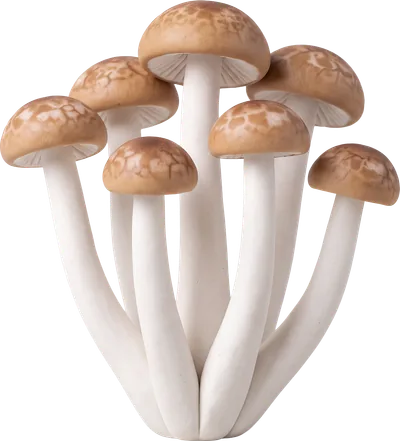
Fruiting
- Temperature
- 54 to 64 °F (12 to 18 °C)
- Humidity
- 80 to 95% relative humidity
- Fresh air
- CO2 under 3,000 ppm
- Light
- 12 hours a day
Incubation
- Temperature
- 66 to 75 °F (19 to 24 °C)
- Spawn rate
- 3 to 5% of the wet substrate's weight
Harvests
- Flushes worth picking
- 1 to 2
Practice
- Substrate
- Hardwood sawdust with bran (about 20% in bags; commercial bottle mixes run richer), at about 60 to 65% water, sterilized in filter bags or bottles
- Opening the bag
- Fruit from the top: open the bag top once the block has ripened; bottle growers also scrape off the old spawn layer. Side holes give shorter, thicker stems.
- Harvest when
- the caps are still small and domed with the edges curled under, before they flatten. Pick the whole cluster at once
- To start fruiting
- let the colonized block ripen for some weeks first, then open its top and move it to a cool, very humid room
Fruiting temperature, humidity, fresh air, light and incubation temperature are the cultivation team's own. The rest come from the published sources listed under Sources.
How long beech mushrooms (shimeji) take to grow
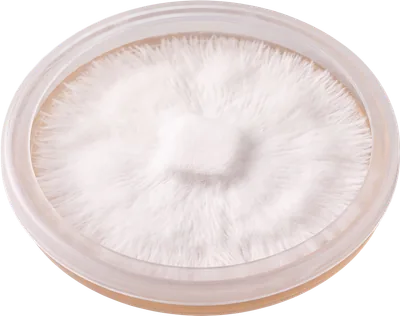
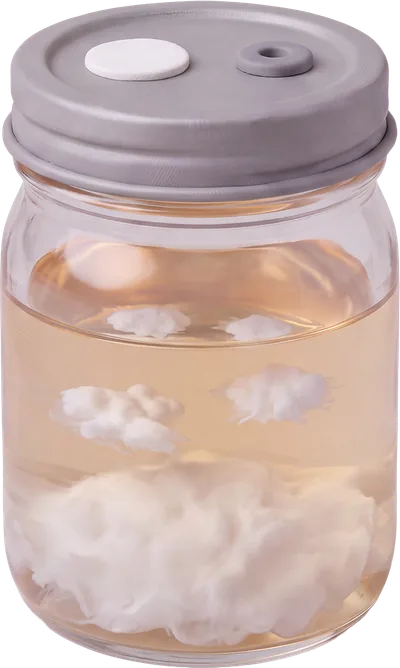
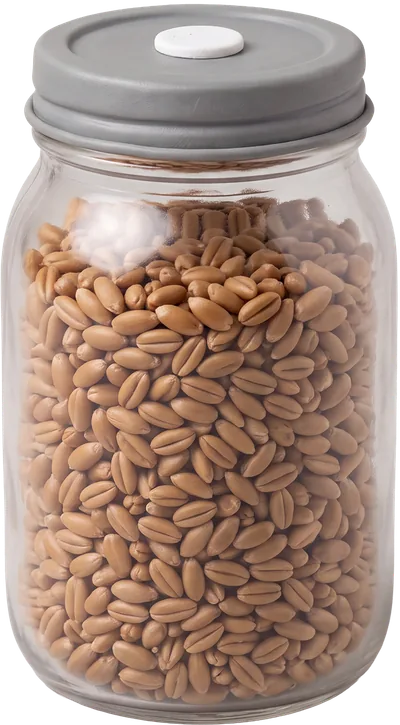
A beech block gives its first harvest on about day 50 after it is inoculated and its second, on a block that gives one, on about day 71. Before that, the grain spawn takes about 40 days, and before the grain a new culture takes about 14 days, on agar or in liquid culture: about 104 days from a new culture to the first harvest. A farm with a culture on hand starts at the grain spawn, and one that buys its grain spawn starts at Day 0. Published guides disagree on how long each stage takes; these are the days MycoQR's cultivation team set.
about 54 days before
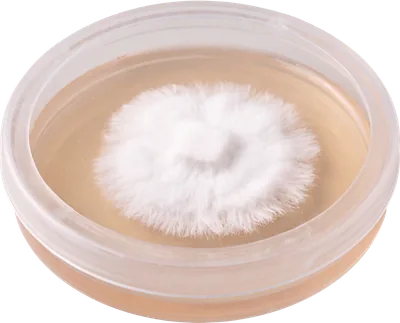
Agar or liquid culture
inoculated
then about 14 daysabout 40 days before
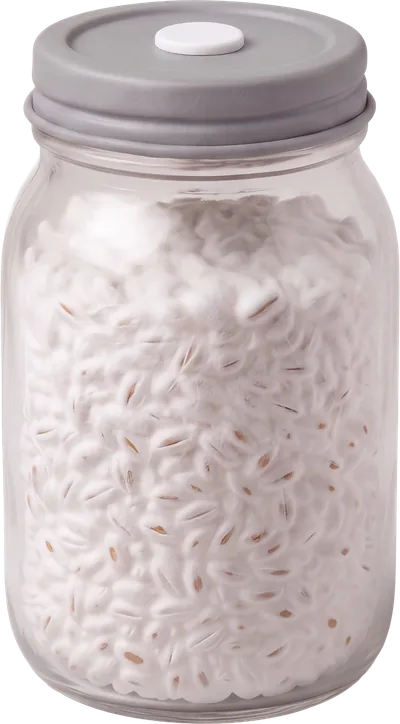
Grain spawn inoculated
from the culture
then about 40 daysDay 0
Block inoculated
with the colonized grain
then about 30 daysabout Day 30
Colonized
open the top to fruit
then about 20 daysabout Day 50
First harvest
then about 21 daysabout Day 71
Second harvest
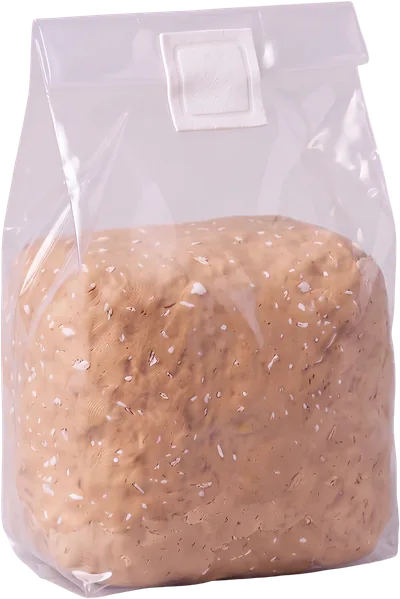
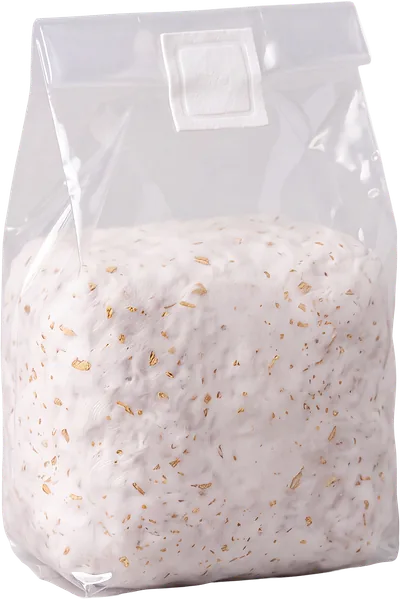
A colonized block can wait up to about 30 days at room temperature, or about 90 in cold storage, before you open it.
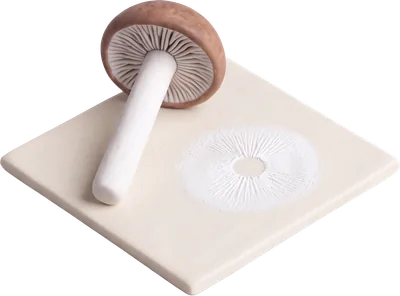
The strip starts from a culture. From a spore print, spores germinate on agar first and one strain is picked out before the culture step. Each spore start is new genetics, while a tissue culture keeps its parent's.
A farm's own blocks run faster or slower with its strain and its rooms. In MycoQR, a farm's shimeji strain starts on the calendar's days, and once the strain has enough harvests of its own, its own days to first harvest take over, ripening and all.
Every mushroom's days, side by side: which mushrooms to grow.
Beech mushroom substrate and spawn
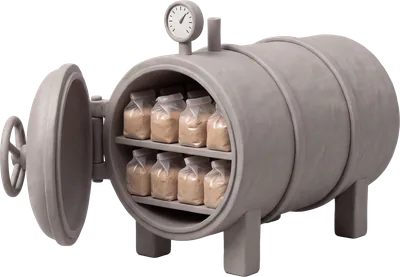
Substrate: Hardwood sawdust with bran (about 20% in bags; commercial bottle mixes run richer), at about 60 to 65% water, sterilized in filter bags or bottles.
Spawn rate: 3 to 5% of the wet substrate's weight.
Sawdust with bran is sterilized, not pasteurized: the bran feeds the mushroom but also raises the risk of contamination. Making and sterilizing blocks is in Mycology 103: substrate science and spawn production.
Colonizing, then ripening
Keep blocks at 66 to 75 °F (19 to 24 °C) while they colonize and ripen.
On the calendar above, a block colonizes in about 30 days. A beech block that has turned white is not ready: give it weeks more to ripen before you open it, and count its first harvest that much later. Commercial growers keep it at room temperature for those weeks, because blocks fruited too early yield far less. Gong et al. write that "Premature interruption of the postripening stage for fruiting results in a drastic reduction in production" (Gong et al. 2022). In a 2023 study of bags, those fruited after 90 days gave stems about ⅜ in (1 cm) shorter and 59 g less per bag than those fruited after 110.
When it's ready. GroCycle reads a block as ready when the mycelium covering it "gets denser, forming white blobs or bumps" (GroCycle).
A colonized block can wait up to about 30 days at room temperature, or about 90 days in cold storage, on the team's days. At room temperature, that wait is part of the ripening.
Fruiting beech mushrooms: growing conditions
Opening the grow bag: Fruit from the top: open the bag top once the block has ripened; bottle growers also scrape off the old spawn layer. Side holes give shorter, thicker stems.
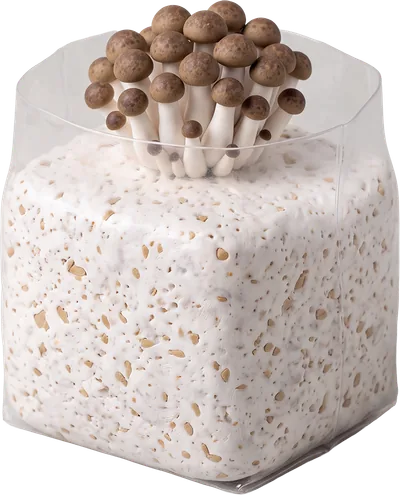
To start fruiting, let the colonized block ripen for some weeks first, then open its top and move it to a cool, very humid room.
| Fruiting | Shimeji |
|---|---|
| Temperature | 54 to 64 °F (12 to 18 °C) |
| Humidity | 80 to 95% relative humidity |
| Fresh air | CO2 under 3,000 ppm |
| Light | 12 hours a day |
GroCycle keeps the air at about 98% while pins form, then 90 to 95% as the clusters grow.
A cooler room. Japan's official variety test guideline moves its bottles from 72 °F (22 °C) to a fruiting room at 59 °F (15 °C), give or take 2 °F (1 °C), and Gong et al. write that cold on the mature mycelium is "the main trigger for primordia initiation" (Gong et al. 2022).
Fresh air for pins, then CO2 for stems. The table's limit is for growing clusters; while pins form, North Spore keeps CO2 at 500 to 1,000 ppm, then 2,000 to 4,000 ppm as the fruit grows. Shimeji pins in fresh air, then gets less air so the stems grow long. Side holes and more air give short, thick stems. GroCycle lets the clusters grow up inside the opened bag's walls, where the CO2 stays higher.
Light. Sources differ. Japan's test guideline gives no particular light for the first 14 days in the fruiting room, then about 500 to 1,000 lux, while GroCycle gives its kits 12 hours of indirect light (MAFF, GroCycle).
Each condition is explained in Mycology 104: environmental control and fruiting, and fruiting chamber designs shows ways to hold them.
When to harvest beech mushrooms
Harvest when the caps are still small and domed with the edges curled under, before they flatten. Pick the whole cluster at once.
The caps are then about ¾ in (2 cm) across. Hold the whole cluster and twist it off at its base.
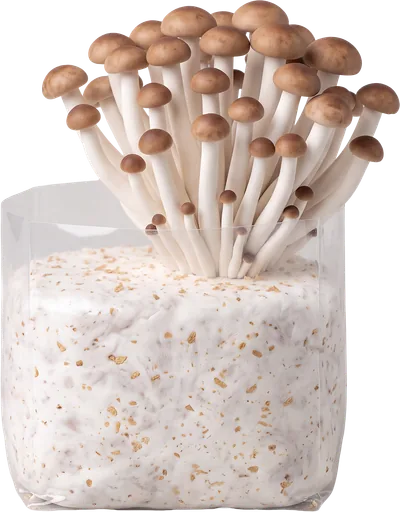
Ready to pick
- Small, domed caps, their edges still under: pick now.
- Take the whole cluster at its base.
After the harvest
On the calendar above, the next flush is ready about 21 days after a harvest. A block gives 1 to 2 flushes worth picking. Bottle farms harvest each bottle once; GroCycle notes that a bottle holds too little substrate for a second flush, while a bag can give one two to three weeks later.
A fresh harvest keeps about 7 days, as whole clusters in the fridge in a breathable pack or a paper bag. GroCycle advises using loose mushrooms, or ones sealed in plastic wrap, within 5 days.
In MycoQR, a new yield tray (the harvests you combine to sell) suggests a best-by date about 7 days out, which a farm selling loose caps can change, and the Fresh Sheet marks a tray that is past it: mushroom farm inventory and invoicing.
Storing cultures and spawn
On the cultivation team's answers, cold storage extends the life of shimeji plates, liquid culture, grain spawn and colonized blocks, and does nothing for spores. The days below are the team's. Storing cultures is in Mycology 102: sterile technique and culture work.
| Finished | Room temperature | Cold storage |
|---|---|---|
| Agar plates | about 30 days | about 90 days |
| Liquid culture | about 60 days | about 120 days |
| Grain spawn | about 45 days | about 60 days |
| Colonized blocks | about 30 days | about 90 days |
What goes wrong
A light harvest of short stems. The block may have been fruited before it ripened. Wait for the surface to thicken and bump.
Pins that turn black. The air dried out: pins that dry, GroCycle warns, "stop growing, turn black and die" (GroCycle). Keep the air near 98% while they form.
Long, stringy stems and small caps. Too much CO2. North Spore warns that then "yields will decrease, stems will become long and stringy, caps will be small, and/or growth will halt" (North Spore). Give more fresh air.
A block that overheats. Too much spawn: GroCycle keeps it to 10% of the wet substrate at most, because more can heat the block enough to kill the mycelium.
Common Fruiting Problems shows each of these, and the contamination guide covers molds and bacteria.
Questions
Are shimeji and beech mushrooms the same?
Yes. GroCycle notes that growers outside Japan call shimeji beech mushrooms, after the beech trees it grows on. Hon-shimeji, Lyophyllum shimeji, is a different mushroom.
Brown or white beech mushrooms: which should you grow?
Either: they are color forms, grown the same way. White ones are sold as white beech or bunapi-shimeji, brown ones as brown beech or buna-shimeji.
How long do beech mushrooms take to grow?
It takes about 104 days from a new culture to the first harvest, or about 90 days from the grain spawn, on the days MycoQR's cultivation team set. Counted from the day the block is inoculated, the first harvest comes on about day 50.
Are beech mushrooms easy to grow?
Not a first grow: its block needs weeks of ripening after it turns white, and it wants a cool, very humid room. Start with oysters.Sources
Read in November 2026. The days in the grow calendar and the storage table, and any card fact marked as the team's, are MycoQR's cultivation team's.
- Penn State, specialty mushrooms: Production technology
- Japan Ministry of Agriculture, Forestry and Fisheries, variety test guideline (Japanese): ぶなしめじ種審査基準
- Gong et al. 2022, fruiting in the cold after ripening: Journal of Fungi
- Xiang et al. 2023, bags fruited at different ripening times: Frontiers in Microbiology
- Lee et al. 2012, ripening conditions in bottles (Korean, English abstract): Mushroom
- Hokuto, plant patents for bunashimeji strains: 'marmo shiro-2' (US PP26,049), 'Marmo22go' (US PP31,279), 'HKHM25' (US PP35,511)
- North Spore, spawn: Organic beech mushroom grain spawn
- Mycelia, strain sheets for Hypsizygus tessulatus (the seller's spelling): M4780, beige, M4786, white
- GroCycle: The complete guide to shimeji mushrooms and how to grow them
Related guides
How to Grow Pioppino Mushrooms
How to grow pioppino mushrooms day by day: Cyclocybe aegerita (black poplar), not shimeji or chestnut, its substrate, conditions and harvest.
How to Grow King Oyster Mushrooms
How to grow king oyster (king trumpet) mushrooms day by day: Pleurotus eryngii from the top of the bag, a cool room, the CO2 that shapes the stem, and harvest.
Common Fruiting Problems and How to Fix Them
Diagnose and fix the most common fruiting problems: no pins, aborting pins, long stems, fuzzy feet, overlay, cracked caps and bacterial blotch.